Today marks the 10th Anniversary of UN Resolution 1325 The Ugandan Lawyer Jane Adong Anyware has launched an initiative to help victims of rape. This would be protected by UN Resolution 1325 is not sufficient.
appeared in TAZ: 29.10.2010

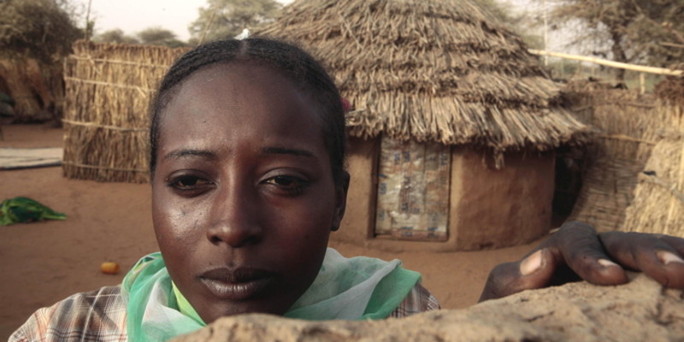
are often treated as inferior beings: women in countries like Sudan.
Photo: Reuters
taz: Ms. Adong Anyware, the "Fraueninititiave for gender justice" has emerged in Uganda. There, the LRA rebels have abducted women and girls systematically. Why women are their victims?
 display
 How your organization will help these women?
The International Criminal Court in The Hague for war crimes through procedures that are defined in the Rome Statute, including crimes against women and rape as a weapon of war. We want to give women the opportunity to be heard in the trial, without having to fear for their lives.try to improve the witness protection?
are often made the simplest things wrong. An example: most staff drive the Court in a white UN vehicle into a small village to pick up a woman. However, even in remote areas it gets around that at the other end of the world just this or that case is heard. As soon see the villagers, which house the car stops in front, everyone can imagine that the woman is called as a witness. It does not work witness protection. We are committed to ensuring that women get with their families a chance to look too far away from their village or a new home to even get asylum in Europe. The opportunity to adopt a new identity should be considered - to the option of a facial plastic surgery.
Take Uganda, where I come from themselves. Here, the perpetrators were not just rebels. The Uganda have left many years ago, they rage now in neighboring countries. During the war, but government soldiers have raped women - soldiers who are supposed to protect the population. It is a difficult task to find justice in this case.
How important is it that your organization is representative these women have a voice?
The crimes are usually committed in remote regions. If we as an organization is not there to record their statements, their stories would never be heard. For the majority of these women are illiterate. You have the Rome Statute have never heard of. You need intermediaries, an initiative such as ours to them at all only declared that there are ways of righteousness. We have also taken the initiative to women who were either abused by the rebels as sex slaves or raped by soldiers in the peace negotiations be included. The statements of the women have at least means that we can now be involved in the establishment of the National Court for war crimes in Uganda.
How important is it that crimes against women are recognized as war crimes?
How important is the 1325 for your work? The resolution was a milestone. But there are still problems in practice. Because women have to prove in court that they were raped. How does it work if, in fact, no medical examination was made? There are also cultural and psychological barriers. I have seen court cases where the woman said, "it has taken me by force." The word "rape" they did not say easy. But the judge has questioned until she had almost collapsed mentally. For women, such statements are a risk of traumatization. You need psychological help. These factors would need in the Resolut ion INTERVIEW: Simone Schlindwein The conflict: Uganda


0 comments:
Post a Comment